
How a new generation of poisons is killing our owls
In recent years so called ‘second generation anti-coagulate rodenticides’ or SGARs, have come on to the market. Unlike previous rat poisons, these poisons are more likely to travel ‘up the food chain’ and put native predators at risk.

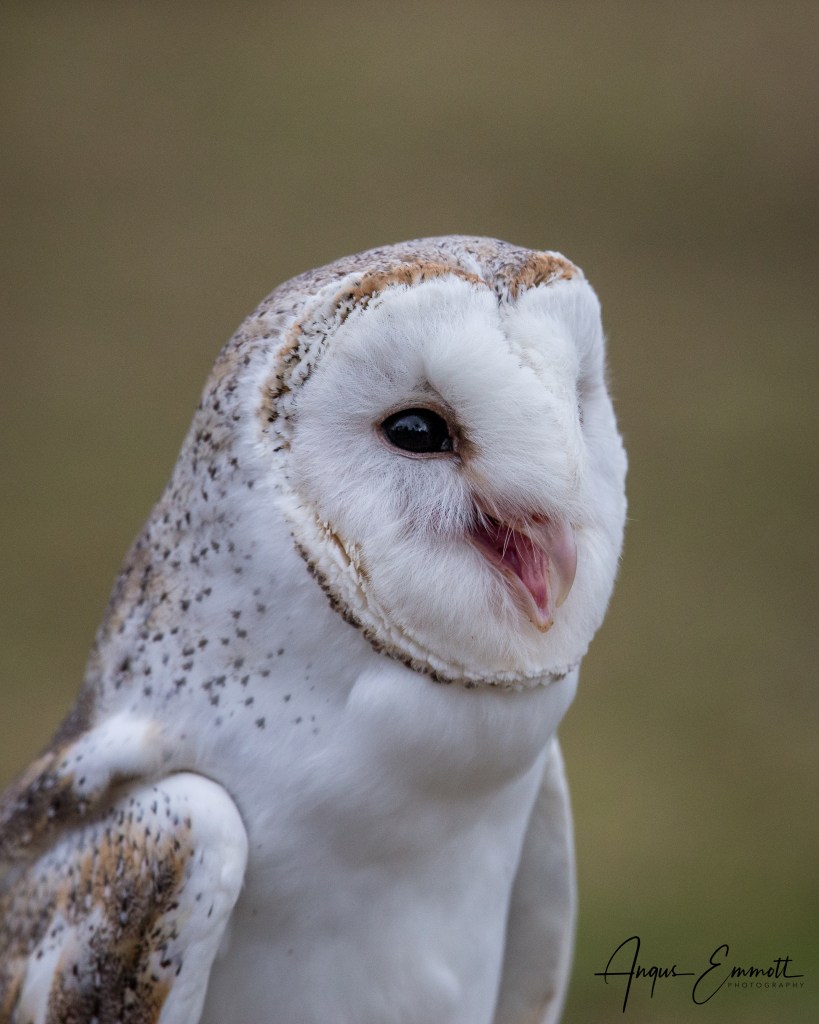
The SGAR poisons do not kill rats and mice immediately, it can take many days. During that time, the rat or mouse, or any other animal that eats the poison – can keep eating more. The poison does not leave the body but continues to accumulate in tissues while attacking the body’s capacity to clot blood. Eventually the poisoned animal dies from internal bleeding.
While still alive, the poisoned animal can become easy prey because it becomes weak and doesn’t behave in a normal, cautious manner. The poison then passes on to the predator – such as native owls, hawks and eagles, and other native predators.
For more information see this overview from researchers and from Birdlife Australia
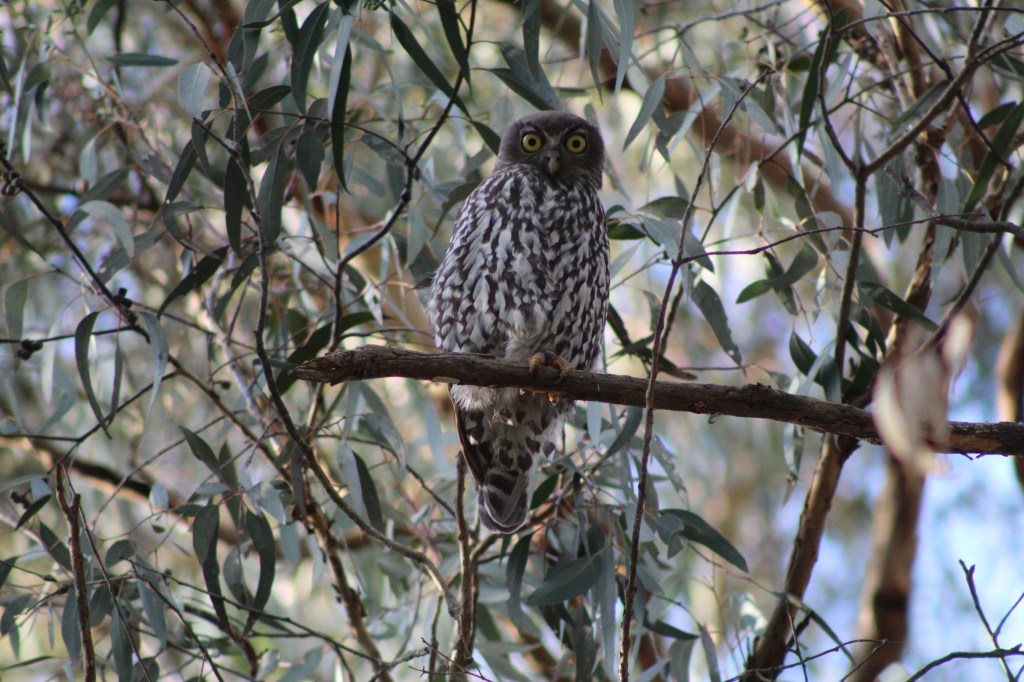
 Ban Owl Poison Alliance